Build Your Backrooms Monsters Index
Every hunter archetype in the collection—what it does, where to place it, and how it earns cash offline.
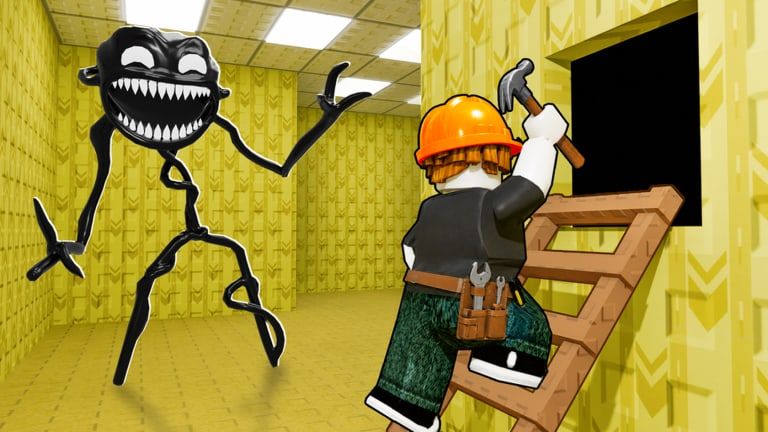
The Monsters Index catalogs every hunter family you can collect in Build Your Backrooms on Roblox by Wind Sun Moon [WSM]. Official game text promises two mechanics this page is built around: monsters catch visitors in your maze, and those catches continue even while you are offline. That makes monsters equal parts defense tool and long-term investment.
For ranked priorities, read the Monsters Tier List. For building pairings, see the Buildings Index and Buildings Tier List.
How monster collection works
Monsters are unlockable units you place inside your backrooms maze. When other players—or NPC visitors, depending on current live rules—walk your routes, hunters trigger catches that pay cash. Stronger monsters generally cost more to unlock but raise per-catch payouts or trigger more often when placed correctly.
Collection progress is separate from maze geometry. You can own a monster before your layout has a good slot for it, or build perfect choke points before affording the hunter that fits. Plan both tracks using the Catalog Hub overview.
Monster role families
Corridor Stalkers
Behavior: Aggressively pursue visitors on straight sightlines.
Best placement: Mid-span on long hallway chains built from standard liminar modules.
Weak when: Placed near maze entrance where visitors can retreat quickly, or in wide rooms with lateral escape tiles.
Offline note: High traffic straight routes keep paying while you are away if your maze is popular on Roblox discover lists or friend referrals.
Tier reference: S-tier in Monsters Tier List.
Junction Lurkers
Behavior: Idle until a visitor commits to a branch, then strike during the animation lock of turning.
Best placement: Off the obvious path at T-junctions and four-way cores.
Weak when: Maze loops lack meaningful forks or every branch reconnects without penalty.
Offline note: Excellent on mazes shared in six-player co-op sessions where groups split at forks.
Tier reference: S-tier.
Zone Patrollers
Behavior: Roam a bounded area covering multiple angles.
Best placement: Feature rooms, gallery spans, or elevated threshold rooms with clear perimeter pathing.
Weak when: Crammed into one-tile-wide segments where pathing breaks.
Offline note: Moderate; needs large enough rooms to path—see Buildings Index for compatible chambers.
Tier reference: A-tier.
Quick Tag Hunters
Behavior: Short cooldown, lower per-catch payout, high frequency.
Best placement: Narrow squeeze segments and repeated short halls.
Weak when: Visitors sprint past before cooldown resets on wide tiles.
Offline note: Strong in long loops where one visitor triggers many tags per run.
Tier reference: A-tier.
Offline Anchors
Behavior: Tuned for passive income ticks and consistent offline catch reporting.
Best placement: High-traffic hubs near junction cores.
Weak when: Your maze gets few external visits—layout marketing matters as much as monster choice.
Offline note: Primary pick for players who log in once daily.
Tier reference: S-tier.
Dead-End Guards
Behavior: High burst damage but only on visitors who enter trap wings.
Best placement: Intentional bait branches marked with subtle visual cues.
Weak when: Main route never tempts explorers into side rooms.
Offline note: Low volume, high reward per catch.
Tier reference: C-tier for pure income, B-tier for puzzle mazes.
Starter and Legacy Hunters
Behavior: Early unlocks with simplified AI.
Best placement: First maze while learning editor controls—see Getting Started.
Weak when: Kept too long after mid-game unlocks available.
Offline note: Useful until first S-tier purchase; replace rather than stack duplicates.
Tier reference: Starter Elite A-tier; Legacy Starter F-tier.
Unlock and spend order
| Stage | Goal | Typical purchases |
|---|---|---|
| First session | Learn catch loop | One Starter Elite + baseline hallways |
| Early farm | Raise catch count | Quick Tag Hunter per loop |
| Mid-game | Compress pathing | Corridor Stalker or Junction Lurker |
| Daily player | Offline growth | Offline Anchor at hub junction |
| Late collection | Theme and flex | Decorative Scare, rare variants |
Detailed cash math lives on Cash Progress Tips.
Pairing monsters with buildings
| Monster role | Building partner | Index link |
|---|---|---|
| Corridor Stalker | Standard hallway modules | Buildings Index |
| Junction Lurker | Four-way / T-junction | Buildings Tier List |
| Zone Patroller | Wide gallery / threshold room | Buildings Index |
| Quick Tag Hunter | Narrow squeeze segment | Buildings Tier List |
| Dead-End Guard | Trap wing stub hall | Buildings Index |
Never place hunters before the structure that makes them relevant—run the Maze Design Checklist after every major redeployment.
Offline income expectations
Offline catches depend on three variables you control:
- Maze popularity — Friends, Roblox discovery, and social shares drive visitor count.
- Route length — Longer loops mean more trigger chances per visitor.
- Role fit — Misplaced S-tier hunters perform like C-tier offline.
Monsters do not require you to stay in server, but they cannot catch zero visitors. Short, efficient mazes with steady traffic often beat huge empty labyrinths.
Multiplayer scouting (6 players max)
Servers cap at six players. Use co-op tours to stress-test monster lines:
- Player 1 runs main route timing.
- Player 2 takes bait branches.
- Player 3 sprints vs walks to test noise hunters.
- Remaining slots rotate to gather catch counts.
Apply findings before spending on duplicate hunters.
Collection completion vs income
Some monsters exist primarily for catalog completion or maze theming. Decorative Scare units and color variants may lag income tiers but still matter if your goal is showcase visits rather than leaderboard cash. The Monsters Tier List separates those goals explicitly.
When new monsters release
Wind Sun Moon [WSM] may add shop hunters during early live updates tracked on the Updates Hub. New entries land here after community verification—we do not invent unlock names before players confirm them in-game.
Related pages
- Buildings Index — Structure catalog for pairings
- Monsters Tier List — S-through-F rankings
- Catalog Hub — Combined collection overview
- Scripts Hub — Why third-party automation is not recommended
- Updates Hub — Patch notes affecting monster balance
Frequently Asked Questions
Quick answers for maze builders and explorers.
Do all monsters work offline?
The game's official description says monsters catch visitors even offline. Individual archetypes may differ in payout rate, but the offline system applies to placed hunters generally.
How many monsters can I place in one maze?
Limits depend on current live build rules and your unlock count. Focus on one hunter per major choke point before duplicating roles in low-traffic wings.
Which monster earns the most cash?
Corridor Stalkers, Junction Lurkers, and Offline Anchors top the tier list when paired with matching buildings. Raw shop price alone does not predict earnings.
Can I move monsters after placing them?
Redeployment options may change with patches—confirm in-game after reading the latest Updates Hub entry before rebuilding your entire roster layout.
Where do monster names come from on this page?
Entries describe gameplay roles confirmed by official mechanics and community testing. Specific shop names are added when verified; archetype labels stay useful even before every variant is documented.